













How to Choose Best Ice Pack Suppliers for Coolers in 2026?
If you’re building a private-label cooler accessory line, “ice pack” seems like an easy add-on SKU. Then you start reading customer reviews:
-
“It leaked all over my food.”
-
“It froze rock-solid and didn’t fit.”
-
“It stopped working after a few cycles.”
In 2026, the brands that win this category won’t be the ones that found the cheapest factory. They’ll be the ones that can prove the basics: safe materials, consistent performance, and packaging that looks retail-ready.
This guide is for retail and ecommerce private-label buyers who want to understand what makes a good supplier, what to ask for, and which manufacturers are worth a first conversation. It’s written for teams building private label ice packs that will be used in everyday coolers, lunch bags, and outdoor kits.
First, pick the right ice pack type (it changes what you should source)
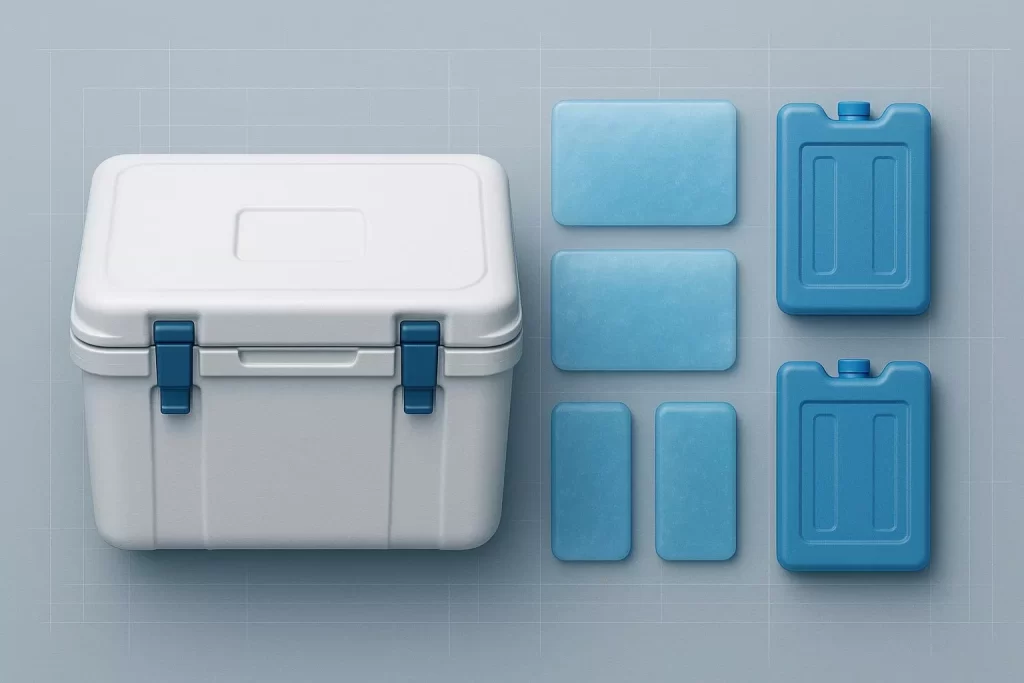
Before you compare suppliers, get clear about which product you’re actually trying to sell. Most “ice packs for coolers” fall into a few buckets.
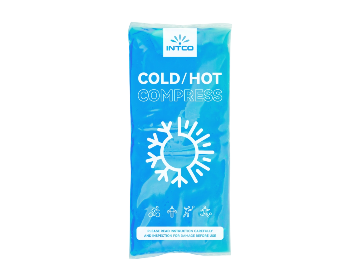
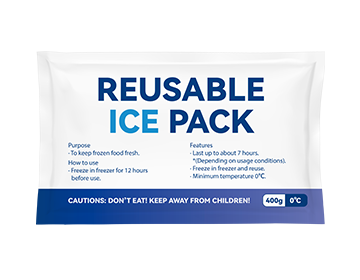
Reusable gel ice packs (the default for reusable ice packs for coolers)
These are the flexible packs most shoppers recognize. Safety-wise, reusable ice packs commonly contain water plus additives that help the pack freeze and stay pliable (for example propylene glycol, thickeners, and sometimes gel beads). Poison Control’s overview is a good, plain-language reference for private-label teams who need to sanity-check safety messaging: Poison Control’s “What’s inside an ice pack?” (2025).
What this means for you as a buyer:
-
You need confidence in the shell film and seam quality, not just the gel formula.
-
You need simple, clear warnings (especially around leaks and ingestion).
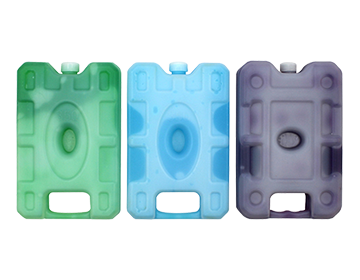
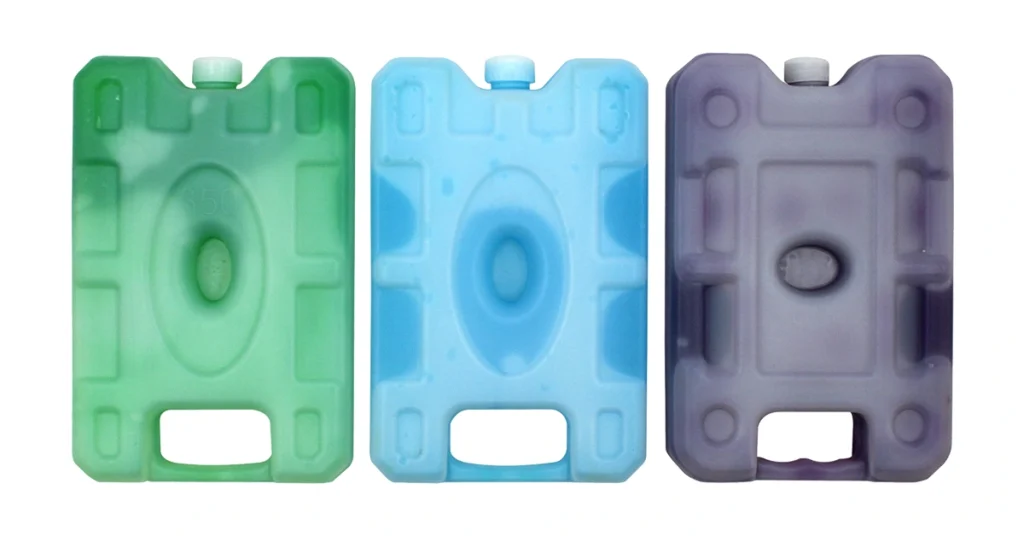
Freezer blocks (rigid “ice bricks”)
These tend to be rigid, flatter blocks designed to stack cleanly in a cooler. They’re popular because they’re easy to pack and they feel “premium” at a glance.
What to watch (questions to ask any freezer block supplier):
-
Shell thickness and drop resistance.
-
How the block behaves after repeated freeze-thaw cycles (warping, seam creep, brittleness).
PCM packs (phase change material)
PCM packs are designed to hold a tighter temperature band (often talked about as “2–8°C” for refrigerated shipping). Some brands use them so food stays cold without freezing certain items.
If you’re curious about the temperature-band distinction, this type of explainer helps: PCM packs vs standard gel pack temperature ranges.
What this means for you:
-
PCM is a positioning opportunity (“chilled, not frozen”), but you’ll need the supplier to explain the phase-change point clearly.
-
It’s usually higher cost, so you should plan a stronger differentiation story (pack shape, bundle strategy, cooler-fit design, etc.).
Pro Tip: Decide your “hero use case” first (day trips, 2-day camping, grocery delivery, lunch bags). Your hero use case determines pack size, shape, and whether flexibility matters more than stackability.
What separates strong ice pack suppliers for coolers from risky ones
A supplier can show you a catalog in 10 minutes. The question is whether they can reliably ship a product you can build a brand on.
Here’s what to look for.
1) Leak resistance and seam strength
Leak complaints kill this category. Ask how the supplier prevents seam failures.
A practical sample request (especially if you’re vetting a gel ice pack manufacturer and planning private label ice packs):
-
6–10 samples from different production lots (not all from the same batch)
-
a quick “abuse test” protocol: freeze overnight, drop from counter height, refreeze, repeat
You’re not trying to build a lab. You’re trying to avoid an obvious product-market fit mistake.
2) Material safety and documentation
You don’t need to overcomplicate this, but you do need to be able to answer basic questions from customers and marketplaces.
Ask for:
-
SDS (Safety Data Sheet) for the fill (especially if you plan to sell in big marketplaces)
-
clear consumer warnings and usage instructions
Also, avoid crossing into medical-claim territory in your listing copy. Poison Control’s guidance is a reminder that ice packs can cause cold-related injury if misused (for example, prolonged contact on skin). That’s not a reason to scare customers; it’s a reason to label and instruct responsibly.
3) Performance you can explain (without fake numbers)
Most brands get into trouble by making claims they can’t prove.
Instead of “keeps cold for 48 hours,” ask the supplier for:
-
the test setup (cooler type, starting temperatures, ambient conditions)
-
what “cold” means (below what temperature?)
-
the pass/fail threshold
Even a simple internal test plus honest phrasing (“designed for day trips” vs “multi-day”) will keep you out of refund-and-review hell.
4) Shape options and cooler fit
For consumer coolers, shape is the product.
Look for:
-
flat packs (better surface contact)
-
long slim packs (fit along side walls)
-
rigid blocks (stack cleanly)
If the supplier can’t hold tight tolerances, your “fits perfectly” bundle strategy falls apart.
5) Packaging, labeling, and private-label execution
A great product in a generic polybag still feels cheap.
Ask:
-
Can they support retail-ready packaging (hang hole, sleeve, multi-pack sets)?
-
Can they print instructions/warnings clearly and consistently?
-
What’s the MOQ for custom packaging vs stock packaging?
This is where private label buyers can win. Most generic sellers never invest here.
6) Supply reliability and responsiveness
Even awareness-stage buyers should ask one question early:
-
“If my forecast doubles in peak season, what happens?”
You’re listening for whether they have capacity planning, lead-time clarity, and a real QA process, not vague optimism.
A simple RFI checklist you can send to suppliers
You don’t need a 20-page RFP to start. Send this and see who answers clearly.
-
What ice pack types do you manufacture (gel pack, freezer block, PCM)?
-
What shell materials do you offer, and what thickness ranges are standard?
-
What’s your seam process (RF welding, heat sealing, other) and leak test method?
-
What documentation can you provide (SDS, test reports, compliance statements)?
-
What’s the standard MOQ for:
-
stock SKU
-
custom color/shape
-
custom packaging
-
-
What’s your standard lead time and peak-season lead time?
-
How do you handle quality issues (AQL, replacement policy, traceability/lot coding)?
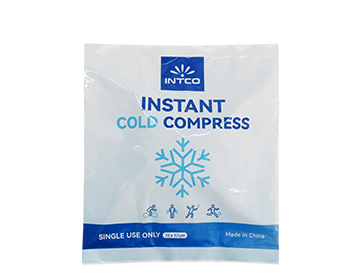
⚠️ Warning: If you plan to sell instant “chemical” cold packs, treat them as a different category than freezer gel packs. For example, the FAA’s travel guidance treats instant ice packs using ammonium nitrate as a hazmat item with specific allowances and limits: FAA PackSafe guidance on instant ice packs using ammonium nitrate (2024).
Ice pack manufacturers to consider in 2026
This is not a ranked list. It’s a shortlist of manufacturers and supplier types that are worth evaluating based on public information and category fit.
INTCO Healthcare (OEM/ODM manufacturer)
If you’re sourcing for private label, the most useful question is whether the manufacturer can produce consistent SKUs at scale and support customization.
INTCO Healthcare is an OEM/ODM manufacturer in the hot & cold therapy space that also supplies ice pack products used for cooling applications. Based on its published materials and product scope, it’s relevant for buyers who want:
-
multiple ice pack formats (including gel packs and ice packs)
-
customization support (OEM/ODM)
-
a manufacturing-first partner with established quality systems
A good starting point for product selection is INTCO’s own guide: How to Choose a Reusable Ice Pack for Your Cooler. If your assortment includes freezer-block style packs, this practical piece can help you frame bundle choices and customer instructions: How to keep freezer blocks for cooler bags for longer.
Pack Edge (integrated packaging + gel pack supplier)
Some buyers don’t just want gel packs; they want a supplier that also understands insulated packaging and kitting.
Pack Edge positions itself as a temperature-sensitive packaging manufacturer that also produces reusable gel packs alongside perishable shipping solutions. If you’re thinking about bundled “cooler + ice pack” kits or subscription logistics, this is a useful supplier archetype to evaluate.
Reference: Pack Edge’s gel pack and perishable-shipper scope.
Cold-chain packaging specialists (good for “performance-first” SKUs)
If your brand angle is “stays cold longer” or “controlled chill,” you may want a supplier that lives in cold-chain performance work, not only consumer accessories.
What to ask them:
-
Do they offer PCM options and can they explain the phase-change point in plain English?
-
Can they share a basic performance test method you can replicate?
(These suppliers vary widely, so treat this as a category to source from rather than a single recommendation.)
Retail/private-label-focused factories (good for packaging and fast SKU iteration)
Some manufacturers shine less in “cold chain engineering” and more in retail execution: packaging, labeling, sets, seasonal rollouts.
If your roadmap includes:
-
summer seasonal displays
-
bundle sets (2-pack, 4-pack)
-
multiple colors/sizes
…prioritize a supplier that’s strong in packaging workflows and lead-time discipline.
How to use this guide (a practical next step)
Pick two ice pack types you want to test (for example: one flexible gel pack and one rigid freezer block). Then contact 5–8 suppliers with the RFI checklist.
The winners will be obvious.
-
They answer clearly.
-
They provide documentation without drama.
-
Their samples feel consistent.
-
They don’t push you into claims you can’t prove.
If you want a quick refresher before you start sample testing, INTCO’s cooler-focused overview is a solid read: Keep Everything Cold with Ice Pack for Cooler (Quick Tip).