















Cooling Patch vs Cold Pack for Fever: Which Is Better?
Fever can make you feel miserable—especially at night, when it’s hard to rest. If you’re deciding between a cooling patch (the skin-applied hydrogel kind) and a cold pack (a gel pack or ice pack wrapped in cloth), the most useful way to think about it is:
-
Cooling patches are usually better for comfort and sleep (gentle, hands-free, lower risk of over-cooling skin).
-
Cold packs can feel “stronger” faster, but they’re easier to misuse (too cold, too long, or triggering chills/shivering).
⚠️ Medical note: This article is for general education, not medical advice. Fever can be a sign of serious illness. For babies under 3 months with fever, seek medical care immediately, as outlined in Mayo Clinic’s “Fever: First aid”.

Cooling patch vs cold pack for fever: quick comparison
|
Criteria |
Cooling patch (hydrogel) |
Cold pack (gel/ice pack) |
|---|---|---|
|
Best for |
Comfort, sleep, mild-to-moderate fever discomfort |
Short, supervised cool-down when you feel overheated |
|
Cooling “feel” |
Gentle, steady |
Stronger at first (can be too cold) |
|
Typical duration |
Often hours (product-dependent) |
Short sessions (minutes), then a break |
|
Convenience |
No freezer needed; travel-friendly |
Needs freezer/ice (or instant cold pack) |
|
Skin risk |
Lower, but irritation is still possible |
Higher (ice burn/frostbite if applied directly) |
|
Shivering risk |
Lower |
Higher if you over-cool |
|
Kid-friendliness |
Often easier for kids to tolerate |
Use extra caution; not recommended for babies in some guidance |
What a cooling patch is (and what it can’t do)
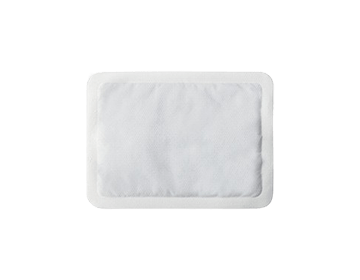
A cooling patch is a thin, adhesive hydrogel sheet designed to sit on the skin (commonly the forehead). It feels cool because water in the gel gradually evaporates and draws heat from the skin surface.
Cooling patches for fever are best positioned as a comfort tool—not a cure. They may help someone feel less overheated and rest more comfortably, but they don’t replace fever-reducing medicine when it’s appropriate, and they don’t replace medical evaluation when warning signs are present.
For product-specific details and materials, see the INTCO product page for INTCO Cooling Patch.
What a cold pack is (and why it can backfire)
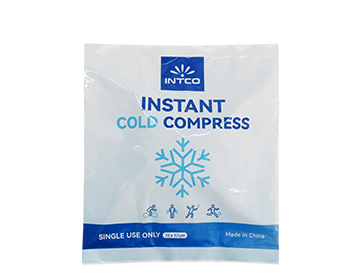
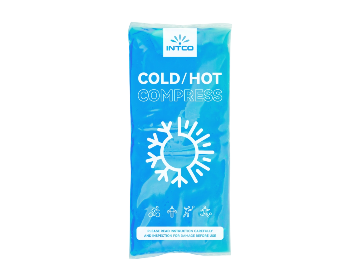
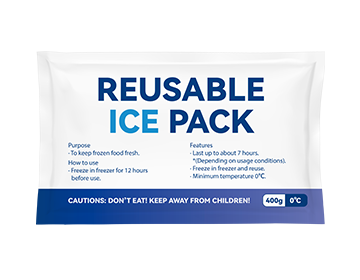
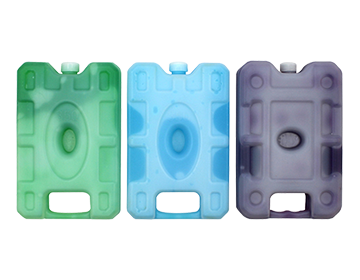
A cold pack is a chilled gel pack, ice pack, or instant cold pack used as a cold compress.
Cold packs can feel great for a few minutes—but if the cooling is too intense, your body may respond with chills or shivering. That matters because shivering is counterproductive. An NHS patient guide on fever in children warns against cooling methods that cause shivering.

Comfort vs temperature: what you’re actually trying to achieve
Most at-home fever care is about comfort and monitoring, not forcing your temperature down as fast as possible.
A useful rule:
-
If you’re restless and can’t sleep, prioritize comfort.
-
If you’re uncomfortably overheated, use cooling cautiously—and stop if you get chills.
A medical review on PubMed, “External cooling methods for treatment of fever in adults”, helps frame why external cooling isn’t a reliable standalone approach for treating fever.
Comparison by criteria (what matters in real life)
Comfort and sleep
If your goal is to sleep through the night (or help a child settle), a cooling patch often wins:
-
hands-free
-
steady cooling sensation
-
no need to re-freeze packs or re-wet cloths
Cooling speed: which feels cooler faster?
Cold packs usually feel cooler faster. That can help if you feel overheated, but it also raises the risk of discomfort and chills.
If you’re comparing a cool compress vs ice pack for fever, a cool compress tends to be gentler, while an ice pack feels colder but is easier to overdo.
Duration: which lasts longer?
Cooling patches are designed to keep providing surface cooling for longer periods (product-dependent). INTCO’s guidance describes practical placement, timing, and comfort-focused use in How to Use the Cooling Patch for Fever.
Cold packs should be used in short, controlled sessions. The Cleveland Clinic recommends applying a cold pack under the arm for up to 10 minutes at a time and avoiding cooling methods when you have chills (see Cleveland Clinic’s “How To Break a Fever Fast”).
Convenience: home, travel, and “I don’t have a freezer right now”
Cooling patches are convenient when:
-
you’re traveling
-
you’re at work
-
your child is at daycare
-
you don’t want to manage freezer rotation
INTCO also explains why gel cooling patches can be a portable option in How Cooling Gel Patches Help with Fever and Headaches.
Safety: skin protection and shivering
Cold pack safety (the non-negotiables)
-
Never put ice or a frozen gel pack directly on skin. Use a thin cloth barrier.
-
Keep sessions short.
-
Stop immediately if chills or shivering start.
If you need a practical safety overview for cold therapy use, see INTCO’s guidance on How to Avoid the Side Effects of Cold Therapy.
Cooling patch safety (common-sense precautions)
-
Apply to clean, dry skin for better adhesion.
-
Avoid broken or irritated skin.
-
If you have sensitive skin, consider a quick patch test first (INTCO describes an approach in its fever usage guide).
Adults: which option is better?
Choose a cooling patch if…
-
you mainly want comfort
-
you want something hands-free while you rest
-
you don’t want intense cold on your skin
Choose a cold pack if…
-
you feel overheated and want a short “cool down”
-
you can supervise it (cloth barrier, brief session)
If a cold pack causes chills or shivering, stop—that’s a sign the cooling is too aggressive.
Children: which option is better?
Fever care for kids is less about chasing a number and more about how the child looks and acts (hydration, breathing, responsiveness).
Cooling patches for kids
Cooling patches are often easier for kids because they’re gentle and don’t require you to hold a cloth in place.
Follow product instructions and watch for irritation. For placement and use guidance, refer to INTCO’s article “How to Use the Cooling Patch for Fever” on the INTCO site.
Cold packs for kids
Be cautious using cold packs for children. Cleveland Clinic advises not using cold packs on babies or young children because they can’t always tell you if it’s too cold for their skin.
For older children, if you use a cold pack:
-
use a cloth barrier
-
keep sessions brief
-
stop immediately if discomfort or shivering starts
How to use a cooling patch (safe, practical steps)
-
Clean and dry the forehead (or intended area).
-
Remove the protective film.
-
Apply to the forehead, temples, or back of the neck.
-
Replace if it dries out or loses adhesion.
How to use a cold pack (safe, practical steps)
-
Wrap the cold pack in a thin towel.
-
Apply to the underarm, forehead, or back of the neck.
-
Limit each session (for example, Cleveland Clinic mentions up to 10 minutes under the arm).
-
Take a break before reapplying.
-
Stop if chills/shivering start.
When to seek medical care
Use recognized medical guidance for urgent evaluation. In addition to the infant guidance noted earlier, Mayo Clinic lists multiple red flags and situations where you should contact a clinician (trouble breathing, dehydration signs, confusion, stiff neck, and others).
If you’re ever unsure—especially with children—it’s worth calling a pediatrician or urgent care for advice.

A short note for brands and buyers (OEM/ODM)
If you’re sourcing cooling patches for retail or healthcare channels, these products can be attractive because they’re compact, travel-friendly, and easy for caregivers to use.
For bulk sourcing and customization, INTCO Healthcare offers cooling patches with OEM/ODM support. If you’d like specs or private-label options, start with the INTCO product page for INTCO Cooling Patch and the practical usage guidance in the linked INTCO articles above.
FAQ
Do cooling patches actually reduce a fever?
They mainly reduce surface temperature and discomfort. They’re best used as a comfort measure alongside appropriate fever care.
Cold pack for fever: how long should you apply it?
Keep it brief. A commonly cited approach is short sessions (for example, Cleveland Clinic mentions up to about 10 minutes under the arm), with breaks in between. Stop if chills or shivering start.
Where should you place a cooling patch for fever?
Common spots include the forehead, temples, and the back of the neck.
Should you use a cold pack for babies with fever?
Be very cautious. Some medical guidance recommends avoiding cold packs for babies and young children due to skin sensitivity and inability to communicate discomfort. For babies under 3 months with fever, seek medical care immediately.