














Best Perineal Cold Pack OEM Supplier for Postpartum Care
If you supply postpartum recovery programs, maternity kits, or clinic-ready cold therapy products, choosing a perineal cold pack OEM supplier is less about a single spec and more about risk control. You need consistent activation and cooling performance, materials that make sense for sensitive skin contact, and documentation you can defend in a quality audit.
This buyer’s guide is written for rehab/physio procurement teams and distributors comparing manufacturers for postpartum care.
Clinical note: Cold therapy is commonly used postpartum as a comfort measure for perineal soreness. Always follow clinician guidance and product instructions.

Start with a fast needs assessment (before you compare suppliers)
Answer these four questions internally first. They decide what “good” looks like.
-
Care setting: inpatient ward, outpatient clinic, or take-home kit?
-
Product type: instant (squeeze-to-activate) vs. reusable gel.
-
Hygiene model: single-use disposable vs. reusable (and how you’ll manage turnover).
-
Kit integration: do you need absorbency built in, or is cooling separate from postpartum pads?
If your channel is hospital or clinic distribution, single-use is often simpler. If your channel is retail kits, you may stock both forms.
Instant vs. gel: what you’re really choosing
Instant perineal cold packs (chemical activation)
Instant packs are typically squeezed or folded to break an inner seal and trigger a cooling reaction. They’re useful when you:
-
need shelf-stable storage (no freezer dependency)
-
want fast deployment in busy workflows
-
prioritize single-use hygiene
When you evaluate a perineal instant cold pack manufacturer, pay extra attention to activation reliability and leak resistance under compression.
Reusable gel perineal packs
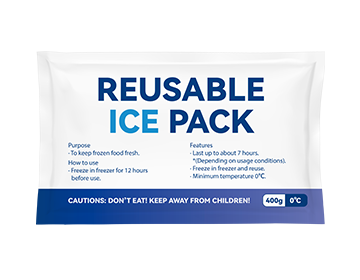
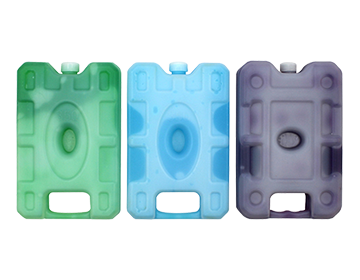
Reusable gel packs can be comfortable, but procurement trade-offs include freezer access, temperature variability, and cleaning/turnover procedures if the product is used in-clinic.
For distributors selling into different channels, this category is often positioned as postpartum perineal ice pack wholesale (gel packs + covers + instructions) rather than a single SKU.
Evidence-based usage guardrails to keep your labeling conservative
Your labeling and IFU shouldn’t make medical promises. But it should reflect mainstream, conservative guidance.
-
The Mayo Clinic lists cooling the area with an ice pack as a comfort measure in its postpartum care guidance (2023).
-
A clinical nursing reference in the NCBI Bookshelf describes using ice/cold gel packs for the perineum during the first 24 hours postpartum, often in short intervals such as 10–20 minutes on, then 20 minutes off (see Postpartum Care (2025)).
For a practical safety checklist (time limits, spacing between uses, and when to stop), INTCO summarizes conservative guidance in How to use a perineal cold pack safely after childbirth.
The supplier scorecard: how to evaluate a perineal cold pack OEM supplier
Use this scorecard to compare suppliers in a way that works for procurement, QA/RA, and distribution operations.
1) Documentation pack (treat this as a gate)
Request documentation early. If it arrives late or incomplete, approvals slow down and the project drifts.
Minimum items to request:
-
product specification sheet + drawings (dimensions and weight tolerances)
-
materials declaration for skin-contact layers
-
SDS for cooling components (instant packs)
-
lot traceability approach (raw material → finished goods)
-
packaging specs and labeling templates
2) Materials and skin-contact safety
For perineal products, “soft” isn’t enough. Ask the OEM supplier:
-
What are the skin-contact materials (outer layer, backing, adhesives)?
-
What leakage and seal-integrity testing is performed?
-
Do you have restrictions (latex-free, phthalate-free, fragrance-free)?
3) Performance consistency (validate with samples)
Cold therapy products can fail quietly: inconsistent activation, uneven cooling, or leakage under pressure.
In sample evaluation, test:
-
activation reliability (success rate across a lot)
-
cooling onset (how quickly it cools)
-
cooling duration under realistic conditions
-
compression/leak resistance (sitting pressure, movement)
4) Usability in real workflows
Nurses and end users care about usability. Your procurement evaluation should include:
-
shape and conformability (does it bunch or shift?)
-
clarity of activation cues
-
packaging that opens easily (including with gloved hands)
-
absorbency expectations if used alongside postpartum pads
5) Packaging + private label readiness
Distributors win when the OEM can support channel-ready packaging.
RFQ questions to ask:
-
unit pack format and case pack
-
shelf storage requirements
-
private label support (artwork, barcode, multilingual labeling)
If your program is primarily a disposable perineal cold pack supplier model (single-use packs in kits), packaging quality and shelf stability become first-order requirements.
6) Capacity, lead time, and supply stability
Postpartum kit programs aren’t forgiving about stockouts. Ask:
-
monthly capacity and surge capacity
-
lead times by order size
-
production footprint and contingency plan
If supply stability is a key requirement, review the OEM’s manufacturing footprint and delivery infrastructure (including contingency planning across sites).
Common red flags (and what they usually lead to)
-
missing or vague documentation (especially around materials and SDS)
-
no clear leakage/seal testing story
-
overconfident clinical claims (“heals faster”, “proven”) without evidence
-
unclear activation instructions or inconsistent activation across samples
What to ask for in samples (so your test isn’t subjective)
A sample test is only useful if you define what you’re testing and how you’ll record results. For postpartum perineal cold packs, many buyers use a simple two-bucket approach:
-
Functional pass/fail tests (deal-breakers): activation works, no leaks, packaging integrity, clear IFU, and consistent cooling response.
-
Preference tests (rank suppliers): perceived comfort, conformability, absorbency feel, and ease of placement.
If you can, request samples from more than one lot. That’s where you’ll spot process drift.
One real example of supplier transparency (what “good” looks like)
A simple way to sanity-check a supplier is to see whether they publish basic, consistent specs.
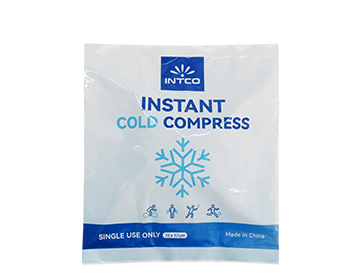
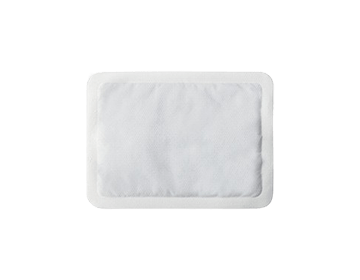
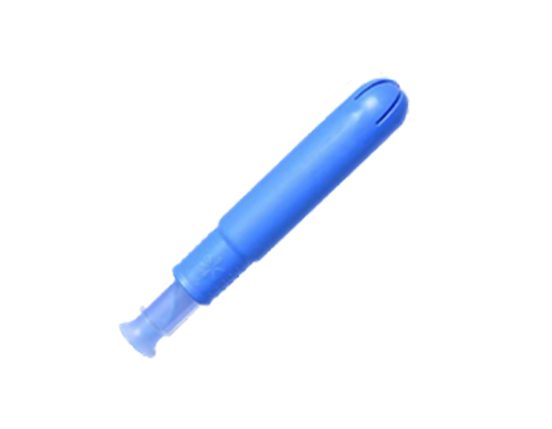
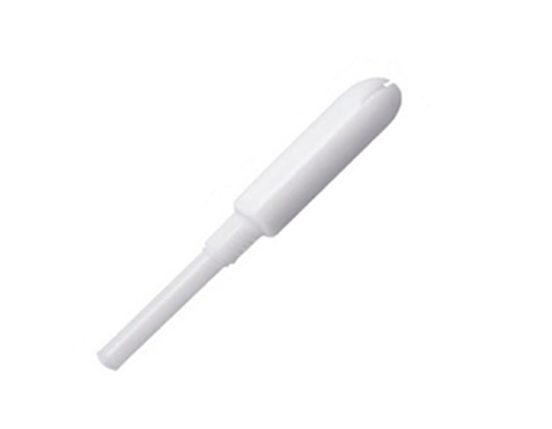
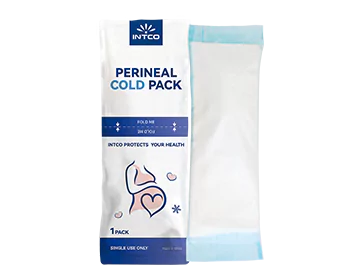
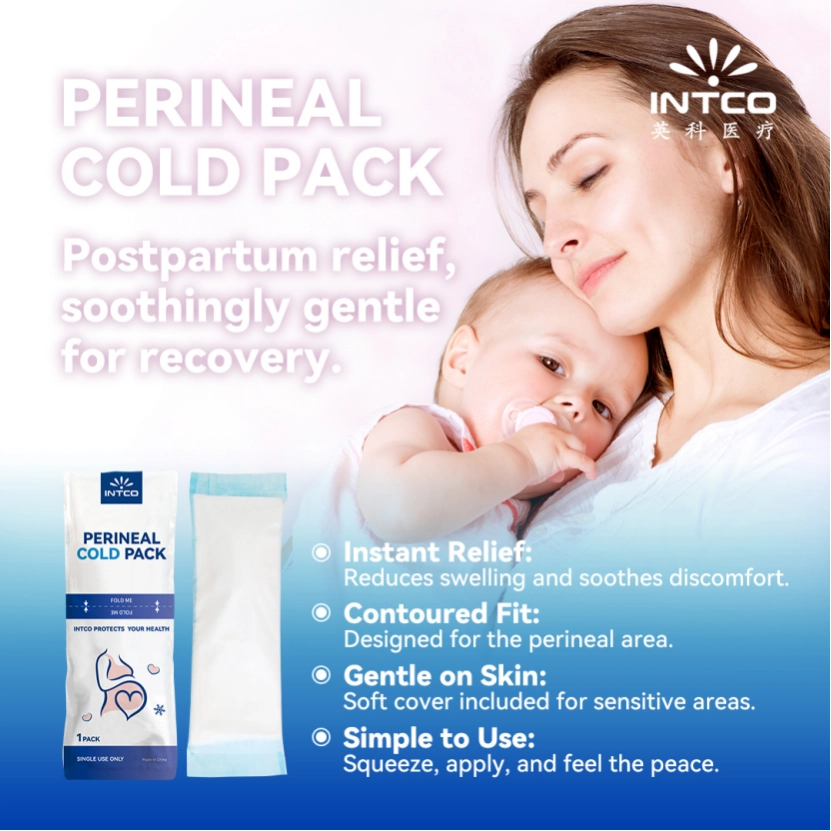
For example, INTCO’s Perineal Instant Cold Pack lists the intended application (perineal area for maternity care), squeeze activation, and materials used (PE, cotton, water, calcium ammonium nitrate/urea). It also notes that size and weight can be customized, which is useful if you’re planning OEM postpartum recovery cold pack variants for different kit formats.
Next step: request specs and samples (without committing)
To move from “interesting supplier” to “approved supplier,” ask for two things: the documentation pack and representative samples from at least one production lot.
If you want a starting point, review the supplier’s OEM scope and how they handle customization (pack format, labeling, and production flexibility). INTCO summarizes its manufacturing services here: OEM & ODM cold pack manufacturing.
As an OEM/ODM manufacturer, INTCO Healthcare (INTCO Medical) supports brands, distributors, and institutional buyers with scalable cold therapy production and private-label readiness. The company operates major production bases in China and Vietnam, applies lean manufacturing systems such as 6S and TPM, and maintains an in-house R&D team with multiple utility patents. For procurement teams, that typically translates into more predictable lead times, tighter process control, and the ability to customize pack format, labeling, and packaging without losing batch-to-batch consistency.
FAQ: perineal cold pack OEM sourcing
1) What documents should we request before we approve samples?
Start with a spec sheet (dimensions/weight tolerances), materials declaration for all skin-contact layers, SDS for the cooling components (instant packs), lot traceability details, and packaging/label templates. Getting these up front prevents delays when QA/RA reviews begin.
2) How do we compare instant-pack activation performance across suppliers?
Ask for samples from at least one production lot, then track activation success rate, cooling onset time, and leak resistance under compression using a simple, repeatable checklist. If possible, request more than one lot to spot process drift.
3) Can an OEM support both hospital use and retail maternity kits with the same product family?
Often yes, but it typically requires different packaging configurations (unit pack/case pack), labeling language, and hygiene assumptions (single-use vs. reusable). Clarify your channel requirements early so the OEM can propose the right SKUs and pack formats.
4) What claims should we avoid on labeling for postpartum perineal cold packs?
Avoid disease-treatment or recovery-speed claims (for example, “heals faster” or “clinically proven” without strong evidence). Keep instructions conservative: focus on comfort use, time limits, and clear stop-use guidance consistent with clinician and IFU directions.
INTCO Medical 2025 Annual Report: Steady Growth, Global Expansion, and AI-Driven Innovation
Best Perineal Instant Cold Pack for Postpartum Recovery (2026 Guide)