











Why Gel Face Masks Are Trending for Cooling and Soothing Skin in Hot Weather
Hot weather doesn’t just make you sweat—it can make your face feel flushed, tight, puffy, and overstimulated. That’s a big reason searches for a cooling gel face mask spike every summer.
But one format is driving a lot of the “I need this now” interest: the reusable gel face mask—a compress-style mask you chill in the fridge, wear for 10–20 minutes, then clean and use again.
In this guide, you’ll learn why reusable gel masks are trending, what they actually do (and don’t do), how to use them safely after sun or after a hot commute, and how to choose a mask that cools well without feeling stiff or uncomfortable.
Why cooling gel face masks are trending right now

Gel face masks aren’t new, but the way people use them has changed. A few forces are converging:
-
Hotter summers and more “heat-stressed skin.” When skin is warm and irritated, cooling feels like instant relief.
-
Barrier-first skincare routines. Instead of harsh “strip and fix,” routines now emphasize comfort, hydration, and recovery.
-
Self-care that’s actually functional. A chilled mask feels spa-like, but it’s also practical—especially for puffiness and post-sun comfort.
-
Reusable wellness products. A reusable gel face mask (or gel-beads style mask) fits the “buy once, use often” mindset.
Pro Tip: If you’re shopping for summer, look for masks that are designed to be chilled (fridge-ready) and sit comfortably without sliding. A good fit is what turns a “nice idea” into a habit.
What is a reusable cooling gel face mask (and how is it different from hydrogel)?
“Gel face mask” can mean a few different things online, so it helps to clarify upfront.
The reusable gel face mask format
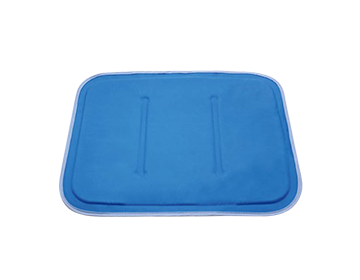
A reusable gel face mask is a compress-style mask filled with gel (or gel beads) that you chill in the fridge and place over the face for quick comfort. It’s not meant to “deliver actives” like a skincare serum—it’s meant to deliver temperature relief you can feel right away.
How it differs from disposable hydrogel or sheet masks
-
Disposable hydrogel masks are single-use skincare masks designed to hold water and ingredients close to the skin.
-
Disposable sheet masks are also single-use and rely on the serum they’re soaked in.
If your main goal is cooling down after sun or after a hot commute, reusable compress-style gel masks tend to be the most direct choice.
For an example of a compress-style option, see Gel Face Mask for Cold & Hot Spa.
Cooling + hydration: what gel masks can (and can’t) do
A cooling gel face mask is best thought of as comfort support, not a medical treatment.
Cooling: why it feels so good in summer
Cooling is also why reusable gel face masks are popular for two very specific moments: after-sun comfort and cooling down after a hot commute or outdoor time—fast, mess-free, and easy to repeat.
Cooling can reduce that “hot, flushed” feeling and help you feel less puffy—especially around the eyes and cheeks. This is why gel masks show up in summer routines, travel routines, and post-workout routines.
Comfort + hydration: what a reusable gel mask contributes
A reusable gel face mask primarily delivers cooling comfort. That said, it can indirectly support a more hydrated feel when you pair it with a simple routine: cleanse → apply a gentle moisturizer (or aloe gel if your skin tolerates it) → then use the chilled mask on top for a short session.
If you’re comparing formats, disposable hydrogel masks are designed to hold water and ingredients directly against skin for hydration. They can be great—but they’re a different category than a reusable compress-style gel mask.
The reality check
-
A mask can help your skin feel more comfortable, smoother, and hydrated.
-
It won’t replace daily sun protection, a gentle cleanser, or a basic moisturizer.
-
If you’re experiencing severe burning, blistering, or ongoing irritation, treat it as a health issue—not a “skincare moment.”
⚠️ Warning: Don’t put ice directly on irritated or sunburned skin. The Cleveland Clinic specifically advises using a cool compress and avoiding direct ice contact because it can further damage skin tissue (see Cleveland Clinic sunburn relief guidance).
When to use a cooling gel face mask (summer + after-sun scenarios)
Here are the most common use cases that make a cooling gel face mask feel “worth it”:
Summer heat and redness
If your face looks red after commuting, outdoor time, or just being in heat, cooling can help you feel back to baseline faster.
After sun exposure
After sun, skin often feels warm and tight. Gentle cooling and moisturizing are commonly recommended. The Mayo Clinic notes that cool compresses and a cool bath/shower can help with sunburn discomfort (see Mayo Clinic Health System—sunburn treatment).
Puffiness (morning, travel, salty food)
Cooling is a simple “reset” when your face feels swollen—especially in the under-eye area.
Post-workout or post-shower
Heat plus sweat can make skin feel reactive. Cooling can be a nice transition step before a gentle moisturizer.
Desk life in air-conditioning
It sounds counterintuitive, but dry AC can dehydrate skin. A hydrating gel or hydrogel mask can support comfort when your skin feels tight.
Reusable vs disposable gel face masks: which type makes sense?
This is the decision point many shoppers miss. The best gel face mask depends on whether you want temperature relief, hydration delivery, or both.
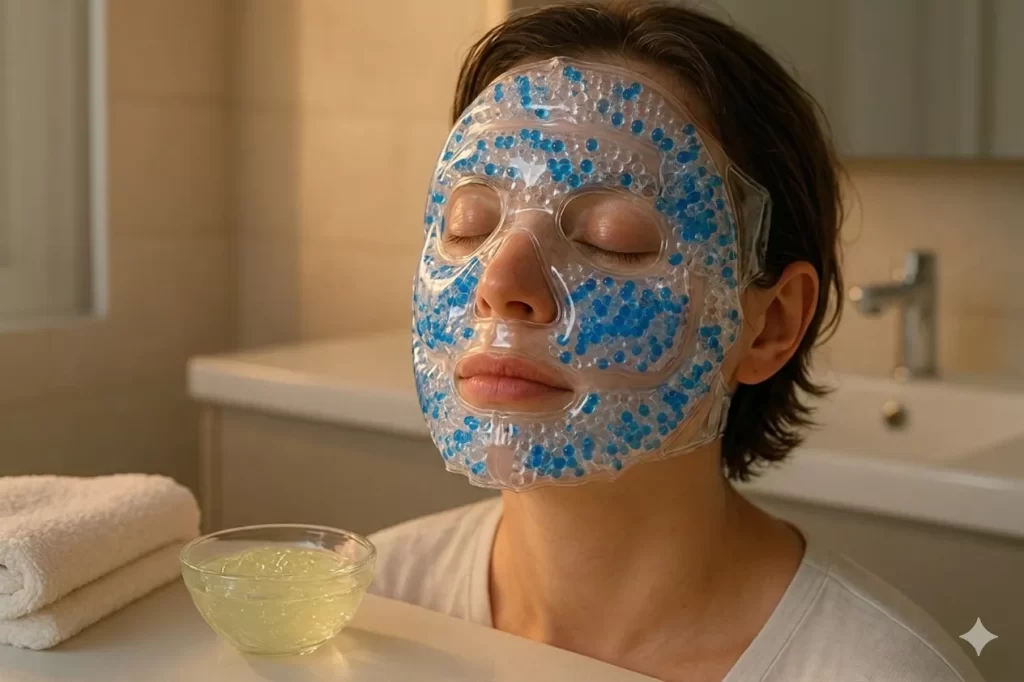
Reusable gel face mask (compress-style)
Best for: cooling sensation, puffiness, quick comfort, low waste.
Pros
-
Strong “cold therapy” feel when chilled
-
Reusable—often better for waste-conscious routines
-
Simple: no ingredient sensitivity concerns if it doesn’t include skincare actives
Cons
-
Needs cleaning and proper storage
-
Comfort depends heavily on fit and material
For an eye-focused reusable option, see the Gel Eye Mask for Cold & Hot Spa.
Disposable hydrogel/sheet mask
Best for: hydration, soothing ingredients, “skin looks better” results.
Pros
-
Great for hydration-focused routines
-
Convenient and travel-friendly
Cons
-
Single-use waste
-
Ingredient sensitivity is possible (fragrance, essential oils, strong actives)
How to choose the best gel face mask (consumer checklist)
If you’re searching “best gel face mask,” here’s a practical way to pick one without overthinking it.
Fit and comfort
A good mask should sit smoothly without digging into the nose bridge or slipping. A poor fit turns into a 15-minute annoyance.
Cooling performance
If cooling is the point, check whether it’s designed to be chilled and whether it stays flexible when cold.
Skin contact safety
For skin-contact products, look for clear material/ingredient transparency. If you have sensitive skin, avoid heavy fragrance.
Reusable care (if applicable)
A reusable gel face mask should be easy to clean, dry, and store.
A quick care checklist helps keep it comfortable and hygienic:
-
Wash the mask surface with mild soap and water, then wipe dry.
-
Store it in a clean pouch or sealed bag in the fridge (not touching raw food).
-
If you share at home, don’t share face-contact masks without cleaning between users.
-
Stop use if you notice leaks, sharp edges, or irritation.
Your scenario
-
After sun comfort: prioritize gentle cooling + simple, fragrance-free hydration
-
Morning puffiness: prioritize cooling + fit around eyes
-
Travel: prioritize leak-resistant, easy storage
Procurement advice: how to evaluate a gel face mask supplier (B2B checklist)
If you’re sourcing a gel face mask supplier for retail, pharmacy, or private label, the shopping checklist isn’t enough. You need a spec-and-quality checklist.
1) Product format and positioning
Decide what you’re buying:
-
reusable gel face mask (compress-style)
-
gel-beads face mask
-
hydrogel skincare mask (single-use)
Your format determines packaging, labeling, and compliance requirements.
2) Key specs to confirm
-
Material (skin-contact layer, backing, straps)
-
Gel type / bead type and fill consistency
-
Temperature range guidance (fridge/freezer recommendations)
-
Leak resistance and seam strength
-
Size, coverage, and facial fit tolerances
3) Quality control and testing
Ask suppliers how they handle:
-
incoming material inspection
-
in-process checks (sealing strength, leakage)
-
finished goods inspection and traceability
4) Compliance documentation and certifications
Requirements vary by market and channel. At minimum, confirm what documents can be provided for your intended region and use.
5) Packaging, branding, and private label readiness
-
retail packaging options
-
labeling templates and language support
-
carton design + barcode support
6) Supply reliability
-
MOQ and lead time
-
production capacity and multi-site manufacturing
-
service response time (especially for seasonal demand spikes)

ODM/OEM gel mask manufacturing for global brands (INTCO Medical)
If you’re developing a private label program or a seasonal cooling SKU lineup, INTCO Medical supports one-stop ODM/OEM collaboration—from product selection to packaging customization.
Relevant references:
With production bases in China and Vietnam and long-term experience in hot & cold therapy products, INTCO can support brand customers who need stable supply, responsive service, and ODM development for reusable cooling products.
FAQ: cooling gel face masks
Can I put a cooling gel face mask in the freezer?
Many reusable gel masks are designed to be chilled, but follow the manufacturer’s guidance. If you over-freeze a mask, it may become too hard or uncomfortable on skin.
Is a cooling gel face mask good after sun?
Cooling can feel soothing after sun exposure. Health authorities typically recommend gentle cooling (like a cool compress) and moisturizing, and avoiding direct ice contact (see the Cleveland Clinic guidance).
How long should I wear a gel mask?
Many gel masks are used in short sessions (often around 10–20 minutes). If you’re using a cold compress-style product, stop if you feel numbness or discomfort.
How to Choose Best Ice Pack Suppliers for Coolers in 2026?
INTCO Medical Showcases Physical Therapy Innovation at CMEF


