









Hot vs Cold Therapy: When to Use Each After Exercise
Whether you’re a seasoned athlete or a casual gym‑goer, understanding when to use hot or cold therapy after exercise can make a significant difference in your recovery process. Both modalities—cold therapy and heat therapy—offer scientifically backed benefits, yet they serve different purposes depending on the timing, intensity of exercise, and your specific recovery goal. This article explains how each works, when to apply them, and how to avoid common mistakes.

What Are Hot and Cold Therapies?
Cold Therapy (Cryotherapy)
Cold therapy involves applying cold packs, ice baths, or gel cold packs to your sore muscles or joints. The primary mechanism is vasoconstriction, which means cold exposure causes blood vessels to tighten, reducing blood flow, swelling, and inflammation. According to the Altruva Wellness, this can help minimize acute pain and limit secondary tissue damage immediately after intense exercise.
Heat Therapy (Thermotherapy)
Heat therapy, on the other hand, increases tissue temperature, leading to vasodilation—the widening of blood vessels. This stimulates blood circulation, promotes oxygen and nutrient delivery, loosens tight muscles, and enhances flexibility. Heat can be applied using warm towels, heating pads, or heat packs.
When to Use Cold Therapy After Exercise
Cold therapy is most effective immediately after exercise or within the first 24–48 hours, especially if your muscles feel sore, warm, or swollen. This period represents the acute phase of post‑exercise inflammation—when your body is responding to microtrauma from muscle exertion. Applying cold during this window can reduce swelling and help control muscle inflammation.
Ideal uses of cold therapy include
-
Immediately after an intense workout, especially one involving heavy eccentric movements (like squats or deadlifts)
-
When swelling, redness, or a feeling of “heat” accompanies muscle discomfort
-
To help reduce stiffness and prevent delayed onset muscle soreness (DOMS)
Tips for application
-
Wrap cold or gel packs in a thin towel to avoid skin damage
-
Apply cold for 10–20 minutes per area, repeat as needed
-
Allow skin to return to normal temperature between sessions (altruvawellness.com)
When to Use Heat Therapy After Exercise
Heat therapy is best applied after the initial inflammation phase has passed—typically 24–48 hours post‑exercise. Once the swelling has diminished, heat helps to:
-
Increase blood flow to affected areas
-
Relax tightened muscles
-
Improve flexibility prior to stretching or mobility work
Best uses of heat therapy include:
-
Chronic tension or stiffness lingering after exercise
-
Preparing muscles for gentle stretching
-
Easing muscle tension between workouts
Unlike cold therapy, heat should not be used while significant swelling or acute pain is present, as it can exacerbate inflammation.
Combining Both: Contrast Therapy
Some athletes use a combination of cold and heat therapy, known as contrast therapy. This method alternates brief periods of cold with heat and is thought to enhance blood flow and metabolic waste removal, potentially speeding up recovery. Effective contrast protocols might involve alternating cold for a few minutes with heat for longer intervals.
While contrast therapy can be beneficial, make sure to allow your skin and tissues to return to normal temperature between steps to avoid unnecessary stress.
Recommended Hot & Cold Therapy Products
To maximize recovery benefits, it’s important to select high-quality, reliable hot and cold therapy products. INTCO Medical offers a comprehensive range suitable for athletes, fitness enthusiasts, and rehabilitation professionals:
Cold Therapy Products
-
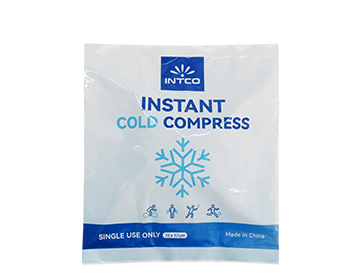
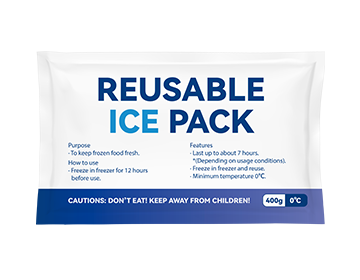
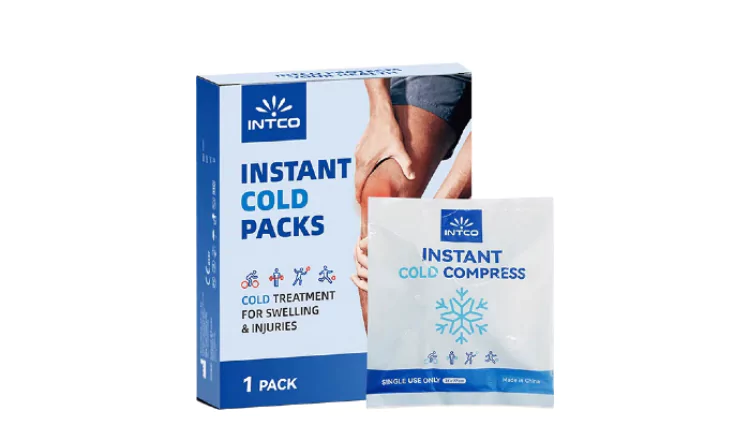
Instant Cold Pack: Ready-to-use cold pack for immediate post-workout inflammation relief. Helps reduce swelling and manage acute pain.
-
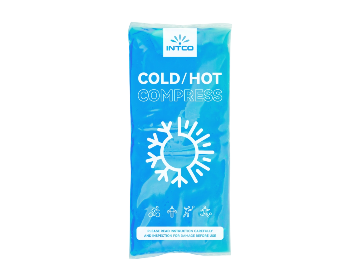
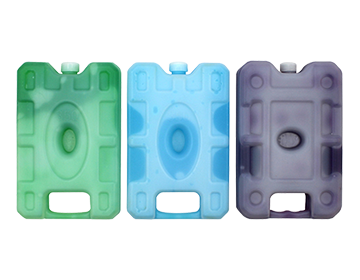
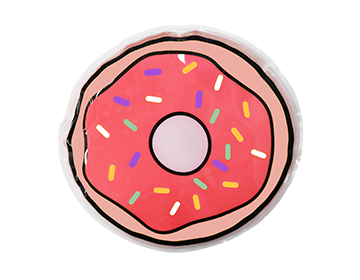
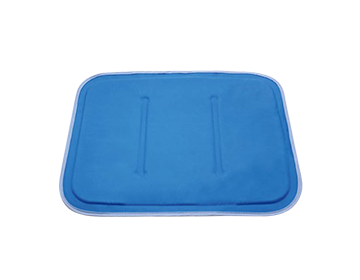
Gel Pack: Reusable, long-lasting cooling solution for targeted areas like knees, shoulders, and back. Ideal for home or gym use.
-
Ice Box: Provides consistent cold storage for multiple gel packs, perfect for team sports or physiotherapy clinics.
Heat Therapy Products
-
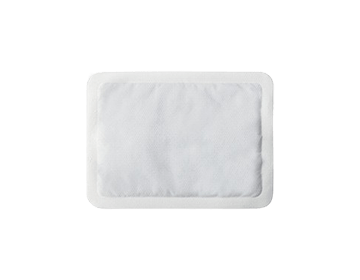
Heat Patch: Self-heating patch for localized muscle relaxation and improved circulation. Great for warm-up before stretching or relieving chronic stiffness.
-
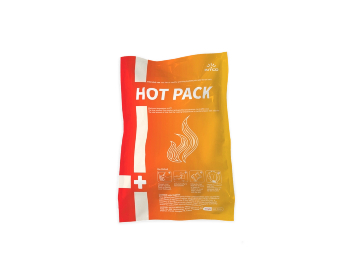
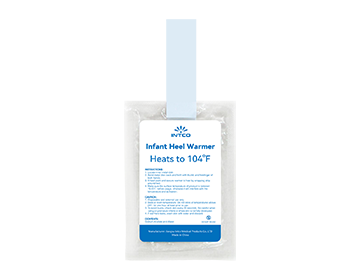
Instant Hot Pack: Single-use, portable hot pack for quick relief after training or long periods of sitting, easy to carry in a gym bag.

Benefits of INTCO Medical products
-
Medical-grade materials, safe for skin contact
-
Suitable for both B2B and clinical applications
-
OEM/ODM services for gyms, clinics, or wellness centers
-
Durable and convenient for repeated use, making them ideal for sports teams, physiotherapists, and fitness facilities
Safety and Practical Tips
Before applying heat or cold therapy after exercise, keep these safety points in mind:
-
Avoid direct application to skin—use a towel barrier
-
Limit each session to about 15–20 minutes
-
Those with circulatory issues, nerve damage, or other health concerns should consult a healthcare professional first
-
Heat should never be applied to an area with active swelling (altruvawellness.com)
How This Helps Your Fitness Journey
Cold therapy helps interrupt excessive inflammation right after a tough session, while heat therapy supports longer-term tissue relaxation and flexibility gains. Knowledgeably applying each at the right time improves recovery, reduces downtime, and enhances your consistency in training. Using INTCO Medical’s cold and hot therapy products ensures reliable, effective results for both personal fitness recovery and clinical rehabilitation applications.
Frequently Asked Questions (FAQ)
Q1: Can I use cold and heat on the same day?
Yes, many individuals apply cold soon after exercise and use heat later in the day or once swelling has decreased. Always allow a short period between treatments. (health.baidu.com)
Q2: Does ice therapy slow down muscle growth?
Excessive use of cold immediately after every workout may blunt some adaptive responses. Use cold primarily for swelling and acute pain, not routine recovery for all sessions.
Q3: How often can I apply heat therapy?
Heat can be used multiple times daily once acute inflammation has subsided—but each session should still be limited to about 20 minutes.
Q4: Which INTCO products are best for gym or clinical use?
-
Instant Cold Packs and Gel Packs for acute relief
-
Heat Patches and Instant Hot Packs for chronic muscle stiffness
-
Ice Box for team or clinic use, ensuring multiple packs stay ready for application
Global Hot & Cold Therapy Market 2026: Growth and Demand Trends
Global Physical Therapy Market Growth and INTCO Medical’s Leadership