













Why Ice Blocks Remain Critical in Cold Chain Logistics
Cold chain shipping typically centers on two demanding tasks: maintaining 2–8°C conditions for temperature-sensitive medicines and managing last-mile deliveries where delays, handoffs, and environmental exposure can quickly disrupt stability.
In both scenarios, Ice Blocks (rigid, reusable gel bricks) play a critical role. Compared with many alternatives, they offer more consistent thermal performance and, for refrigerated—not frozen—shipments, they generally present a lower risk of accidental freezing than dry ice.
What Ice Blocks are—and why they fit 2–8°C pharma
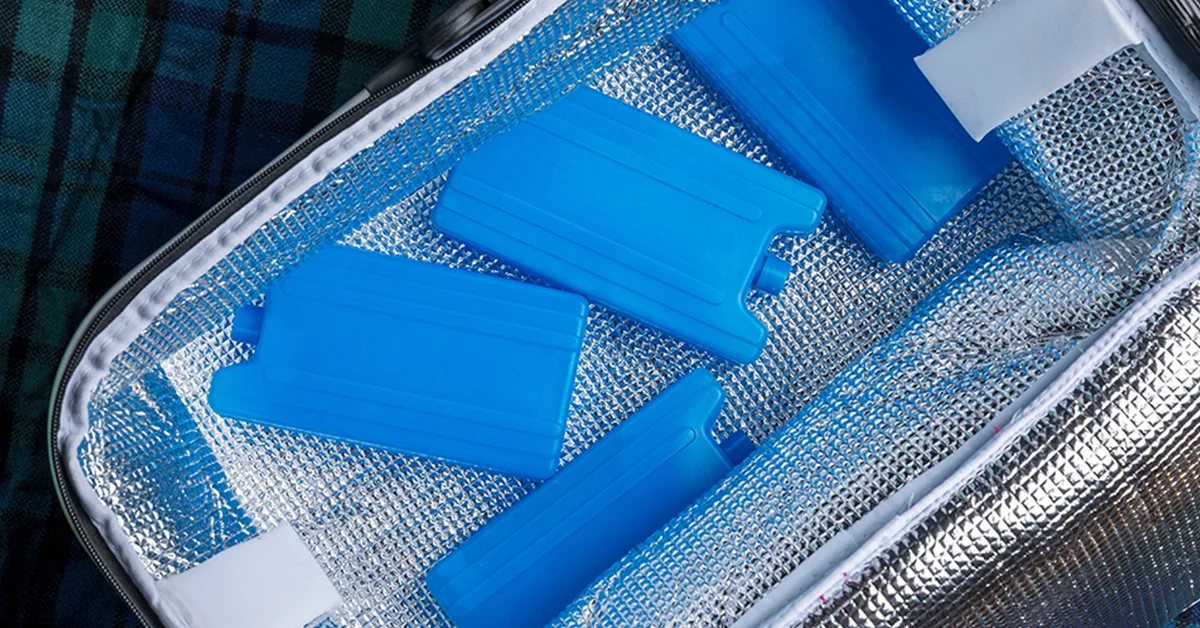
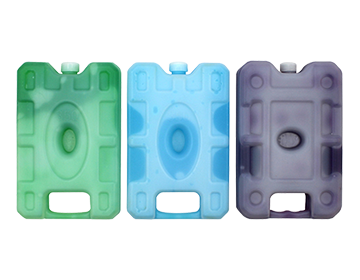
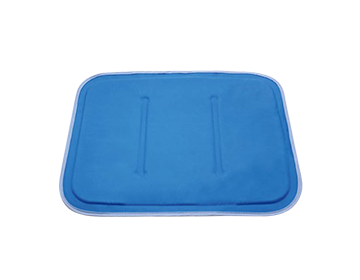
Ice Blocks are rigid plastic “bricks” filled with gel. You freeze them, then pack them around your product inside an insulated box.
Why do teams like Ice Blocks for 2–8°C shipments?
-
Steady cooling: they warm up slowly and tend to hold a more even chill.
-
Repeatable packouts: the same number and placement can be used again and again in a standard packing checklist.
-
Lower freeze risk than dry ice for chilled lanes: dry ice is extremely cold, so it’s easier to over‑cool a refrigerated payload.
One important reminder: don’t assume performance. Run a few test shipments on each lane with a temperature logger before you scale.
Ice Blocks vs dry ice vs soft packs: a quick view
|
Option |
What it’s like to ship |
Typical use |
Reuse |
Freeze risk for 2–8°C |
|---|---|---|---|---|
|
Ice Blocks (rigid gel blocks) |
Simple to handle for most lanes |
2–8°C parcels, last‑mile |
High |
Low when packed with a buffer layer |
|
Dry ice |
Extra handling rules; very cold |
Frozen or ultra‑cold |
None |
High for chilled shipments |
|
Soft gel packs |
Easy to fit, but less consistent |
Short chilled runs |
Medium |
Medium |
Dry ice is great when you truly need frozen temperatures. But for 2–8°C shipping, it can be too cold and adds extra handling steps. Ice Blocks are often the safer, calmer choice for routine refrigerated lanes.
Field‑proven reliability (keep expectations realistic)
With a decent insulated box and the right amount of Ice Blocks, many teams can keep a chilled shipment in range for about a day. Sometimes it’s longer, sometimes it isn’t—box size, product temperature, weather, and delivery time all matter.
Here are two simple, real‑world patterns you’ll recognize:
-
Pharma parcel program: A distributor replaced dry ice with Ice Blocks on routine 2–8°C lanes. They saw fewer “too cold” incidents and a more repeatable packing routine because the packout didn’t need special cold‑hazard handling.
-
Last‑mile kit pilot: A direct‑to‑consumer team used rigid Ice Blocks and a basic return loop. Results were most noticeable on messy days—late drivers, porch drops, unexpected heat—because the packout stayed more consistent from one order to the next.
Packout recipes that actually work (test before you scale)
Treat these as simple starting points. If the lane is important, run a few trial shipments with a temperature logger.
-
Small vaccine parcel: Use a compact insulated shipper. Freeze two Ice Blocks. Put one under and one over the product, and add a thin buffer (cardboard, bubble wrap, or a divider) so the Ice Blocks don’t touch the vials directly.
-
Clinic replenishment box: Use a mid‑size insulated shipper. Freeze four Ice Blocks. Put two on the bottom, product in the middle, and two on top. Fill empty space so nothing shifts.
-
Last‑mile e‑commerce chilled box: Use a corrugate box with an insulated liner. Freeze two to three Ice Blocks and build a simple top‑and‑bottom “sandwich.” If deliveries often sit outside, add one extra Ice Block as a time buffer.
Handling and placement matter—especially for vaccines
For vaccine and other freeze‑sensitive products, the goal isn’t “as cold as possible.” The goal is cold, but not freezing. Two easy habits help:
-
Add a buffer layer so Ice Blocks don’t touch primary containers.
-
If you’ve seen freezing issues, try “tempered” Ice Blocks (still cold, but not rock‑hard straight from the freezer) and re‑test.
Validate and monitor every lane
If you want predictable results, keep it simple and repeatable:
-
Freeze the Ice Blocks the same way every time (same freezer, same minimum time).
-
Follow one packout layout that your team can repeat.
-
Put a temperature logger near the product center.
-
Review the temperature record after delivery.
-
Adjust the number/placement of Ice Blocks until the lane stays in range.
Why Ice Blocks also shine in last‑mile
Last‑mile delivery is messy: hand‑offs, delays, porch drops, and sudden weather changes. Ice Blocks help because they’re predictable. You can standardize the packout, train new packers quickly, and add one extra Ice Block when routes run hot or late.
Bottom line
Ice Blocks remain critical in cold chain logistics for a simple reason: they make chilled shipping more repeatable. For 2–8°C lanes, they can also reduce the chance of accidental freezing compared with dry ice. Test your packout on each lane, keep the layout consistent, and let the temperature data tell you what to adjust.
About Your Ice Block Manufacturing Partner
For distributors, pharmaceutical brands, and cold chain solution providers seeking scalable supply, partnering with a reliable manufacturer is just as important as packout design. INTCO Medical manufactures rigid reusable Ice Blocks designed for professional cold chain applications, including 2–8°C pharmaceutical transport and last-mile healthcare delivery.
With automated production lines, strict quality control systems, and global export experience across 150+ countries, INTCO Medical supports OEM/ODM customization, bulk supply programs, and long-term framework agreements. Whether you require standardized gel bricks for routine refrigerated lanes or tailored specifications for validated shipping systems, our team can support scalable, compliant, and repeatable cold chain operations.
Top 10 Instant Cold Pack Brands for Cold Therapy in the World
North America Disposable Ice Packs Market Trends