













What Is Driving Growth in the Cold Pain Therapy Market?
What Is Driving Growth in the Cold Pain Therapy Market?
Introduction
The global cold therapy products market is experiencing steady expansion as healthcare systems and consumers increasingly prioritize non-invasive, drug-free pain management solutions. From a simple cold compress for pain relief to advanced cryotherapy systems integrated into physical therapy programs, cold therapy has evolved into a core modality in modern rehabilitation and chronic pain care.
As market intelligence reports and clinical experts suggest, demographic changes, rising sports injuries, and growing awareness of non-pharmacological treatment options are reshaping demand for cold therapy for chronic pain and acute injury management.
Market Size and Industry Outlook
Verified Market Growth Data
According to Grand View Research, the global cold pain therapy market was valued at nearly USD 3 billion in 2024 and is projected to grow steadily due to rising musculoskeletal disorders and sports-related injuries. The report emphasizes that aging populations and increasing orthopedic procedures are primary contributors to sustained demand.
Similarly, Future Market Insights(FMI) highlights that the market is expected to grow at a CAGR between 4–6% over the next decade, driven by increasing patient preference for non-drug alternatives.
Meanwhile, a comprehensive industry report from Global Industry Analysts (GIA) underscores that demand is expanding not only in hospitals but also in homecare settings, reflecting broader adoption of over-the-counter cold therapy products.
Together, these data points confirm that the cold therapy products market is not a short-term spike but part of a long-term healthcare shift.
Key Drivers Behind Market Expansion
Rising Prevalence of Chronic Pain
Chronic pain remains one of the most significant global health burdens. According to the World Health Organization (WHO), musculoskeletal conditions are among the leading causes of disability worldwide.
As populations age, conditions such as osteoarthritis, joint degeneration, and lower back pain become more prevalent. In these cases, cold therapy for chronic pain provides inflammation control without the systemic risks associated with prolonged medication use.
Dr. Anthony Delitto, former President of the American Physical Therapy Association (APTA), has emphasized that conservative treatments—including cold modalities—play an essential role in musculoskeletal pain management before invasive options are considered.
This growing reliance on conservative care directly fuels demand for reusable gel packs and therapeutic cold systems.
Increase in Sports and Lifestyle Injuries
The global rise in fitness participation and competitive sports has also driven demand for cold compress for pain relief. Acute injuries such as sprains, ligament strains, and muscle tears typically require immediate cold application to reduce swelling and tissue damage.
Grand View Research identifies sports-related injuries as a key segment propelling growth within the cold therapy products market. Both professional athletes and recreational users increasingly keep reusable cold packs at home as part of first-aid preparedness.
Sports medicine specialists consistently recommend cold therapy as an early-stage intervention within rehabilitation protocols.
Integration with Physical Therapy Programs
Cold therapy is now deeply integrated into modern physical therapy frameworks. According to the American Physical Therapy Association (APTA), physical therapists commonly combine cold modalities with exercise therapy to control inflammation and optimize patient recovery outcomes.
Cold treatment is often applied:
-
Immediately after therapeutic exercise
-
Following manual therapy sessions
-
During postoperative orthopedic rehabilitation
Because cold therapy reduces local blood flow and nerve conduction velocity, it effectively decreases pain perception and swelling, making it a foundational tool in rehabilitation settings.
This integration ensures steady institutional demand from clinics and rehabilitation centers.
Shift Toward Drug-Free Pain Management
Opioid Awareness and Conservative Care
The opioid crisis has accelerated interest in non-pharmacological pain interventions. The U.S. Centers for Disease Control and Prevention (CDC) has repeatedly emphasized the importance of non-opioid therapies for chronic pain management.
Cold therapy, being low-risk and accessible, aligns perfectly with these public health priorities. Healthcare providers increasingly recommend it as a first-line or adjunct therapy before escalating to medications.
This policy-level endorsement significantly strengthens the long-term outlook of the cold therapy products market.
Technological Innovation and Product Diversification
Evolution Beyond Basic Ice Packs
The market has evolved beyond traditional ice bags. Today’s offerings include:
-
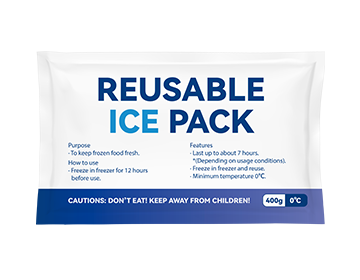
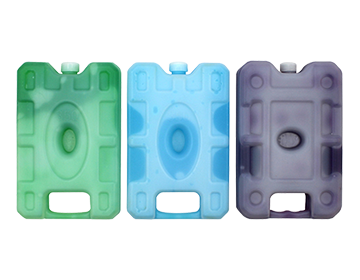
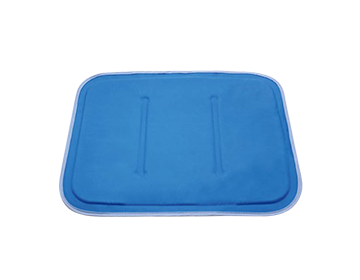
Reusable gel packs
-
Flexible cold wraps
-
Compression-cold combination systems
-
Wearable cold therapy devices
Future Market Insights notes that innovation in ergonomic design and reusable materials is improving patient compliance and usability.
Additionally, increased home healthcare adoption has expanded demand for durable, reusable solutions rather than single-use products.
Regional Growth Patterns
North America
North America leads the market due to advanced healthcare infrastructure, high sports participation rates, and strong adoption of rehabilitation therapies.
Asia-Pacific
Rapid healthcare expansion and rising awareness of conservative pain treatments are contributing to accelerated growth in emerging markets.
Competitive Landscape and Manufacturing Capability
As demand increases, healthcare providers and distributors prioritize suppliers with:
-
Reliable manufacturing capacity
-
International quality certifications
-
Reusable product innovation
-
OEM and ODM development capability
Global manufacturers such as INTCO Medical play a critical role in supporting this demand by supplying high-quality cold therapy solutions across multiple regions. With scalable production capacity and diversified healthcare portfolios, companies like INTCO Medical help meet the evolving needs of hospitals, rehabilitation centers, and homecare users worldwide.
Conclusion
The sustained expansion of the cold therapy products market is driven by powerful structural forces: aging populations, rising chronic pain cases, sports injury prevalence, integration into physical therapy, and growing global preference for drug-free treatments.
As healthcare systems emphasize conservative pain management strategies, demand for cold compress for pain relief and advanced cold therapy for chronic pain solutions will continue to grow. Manufacturers capable of delivering quality, innovation, and supply reliability are well positioned to benefit from this upward trend.
FAQ
Q1: What is included in the cold therapy products market?
It includes reusable gel packs, cold wraps, cryotherapy systems, and therapeutic cooling devices used for pain and inflammation reduction.
Q2: Is cold therapy effective for chronic pain?
Yes. Cold therapy can reduce inflammation and numb nerve endings, making it effective for arthritis, joint pain, and other chronic musculoskeletal conditions.
Q3: How is cold therapy used in physical therapy?
Physical therapists apply cold therapy before or after rehabilitation exercises to manage pain and swelling and enhance recovery.
Q4: Why is the market growing now?
Key factors include an aging population, sports injury rates, opioid alternatives, and increasing healthcare awareness of non-invasive therapies.