







How Cold Therapy Supports Finger Sprain and Post-Surgery Recovery
Introduction
Finger injuries, whether from sports, daily accidents, or surgical procedures, can severely limit hand mobility and function. In such cases, cold therapy—also known as cryotherapy—is one of the most effective, evidence-based methods for reducing pain and inflammation.
According to the Cleveland Clinic, cold therapy works by constricting blood vessels, reducing blood flow to the injured tissue, and thereby minimizing swelling and pain. Similarly, the American Society for Surgery of the Hand (ASSH) highlights that proper use of cold compresses can accelerate healing and prevent post-operative stiffness.
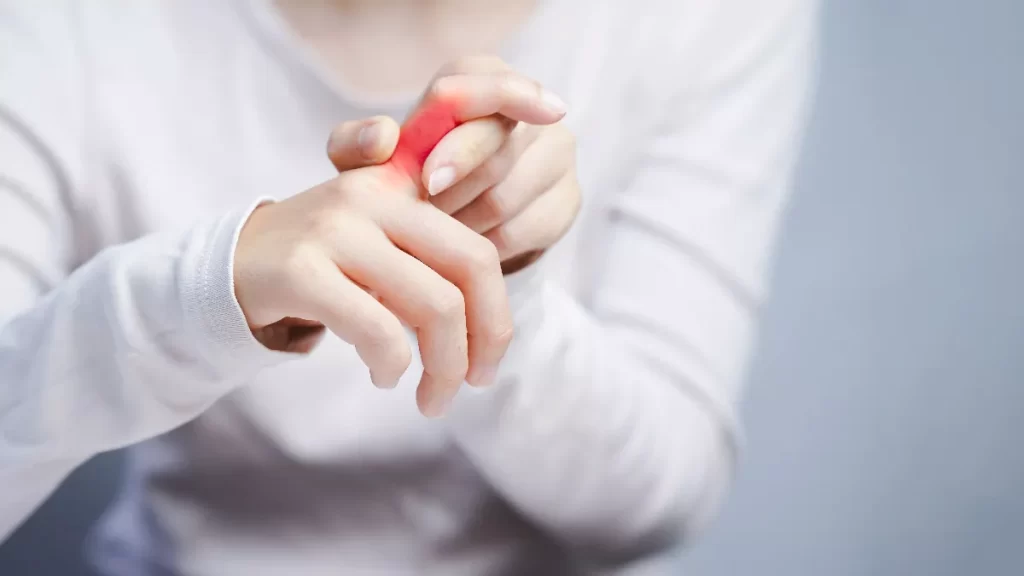
In this article, we’ll explore how cold therapy supports both acute finger sprain management and post-surgery rehabilitation, with practical tips, comparison tables, and insights from authoritative sources.
Understanding Finger Sprain and Post-Surgery Inflammation
What Happens During a Finger Sprain?
A finger sprain occurs when ligaments—fibrous tissues connecting bones—are overstretched or torn. Symptoms often include swelling, bruising, and joint stiffness.
Cold therapy helps control these symptoms by decreasing metabolic demand in the affected area and slowing nerve signal transmission, which reduces pain perception.
Post-Surgery Recovery Challenges
After finger surgery, inflammation and edema are natural parts of healing. However, excessive swelling can delay recovery, cause joint stiffness, or even affect surgical outcomes.
Using cold compresses post-operatively can significantly limit this response by controlling fluid buildup around the surgical site.
|
Common Recovery Issue |
Cold Therapy Benefit |
|
Swelling (Edema) |
Reduces vascular permeability, limits fluid accumulation |
|
Pain and Discomfort |
Slows nerve conduction, offering natural analgesia |
|
Stiffness |
Prevents joint capsule thickening |
|
Tissue Damage Risk |
Reduces secondary hypoxic injury |
The Science Behind Cold Therapy
Vasoconstriction and Reduced Inflammation
Cold exposure leads to vasoconstriction, where blood vessels narrow to reduce fluid leakage. According to Johns Hopkins Medicine, this physiological process minimizes local inflammation and prevents secondary tissue damage during the early stages of healing.
Neurological Effects: Natural Pain Relief
Cold therapy slows the transmission of pain signals from peripheral nerves to the brain. This mechanism explains why patients often experience an immediate numbing effect after applying an ice pack or gel compress.
Reduced Cellular Metabolism
By lowering tissue temperature, cold therapy decreases metabolic activity, limiting the spread of inflammatory mediators and reducing further cellular injury—a principle widely accepted in sports medicine and rehabilitation therapy.
When and How to Apply Cold Therapy
Timing Is Crucial
For acute injuries such as finger sprains or surgical swelling, cold therapy is most effective within the first 48–72 hours post-injury or surgery. Beyond that, it can be alternated with heat therapy to promote circulation and tissue flexibility.
Recommended Application Duration
Experts generally recommend 15–20 minutes per session, several times daily. Overuse can cause frostbite or skin irritation, so temperature control is essential.
|
Application Guide |
Recommendation |
|
Frequency |
3–5 times per day |
|
Duration per session |
15–20 minutes |
|
Ideal Temperature |
10–15°C (50–59°F) |
|
Protection Layer |
Always use a cloth or wrap between skin and pack |
Choosing the Right Cold Therapy Product
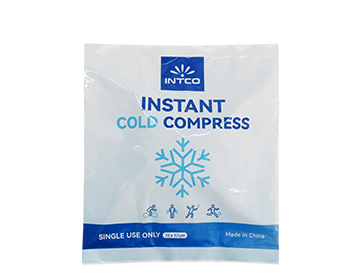
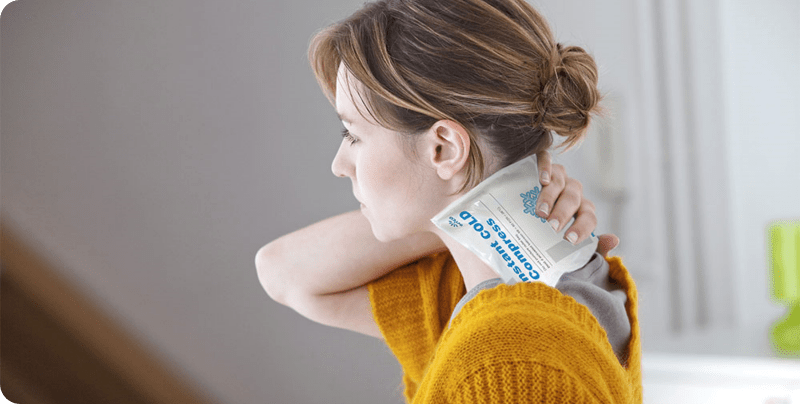
Instant Cold Packs
These single-use packs activate chemical cooling immediately—ideal for emergency or outdoor use. They are convenient for sports injuries or travel situations where refrigeration is unavailable.
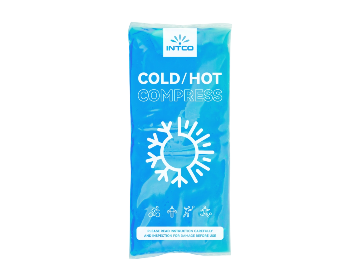
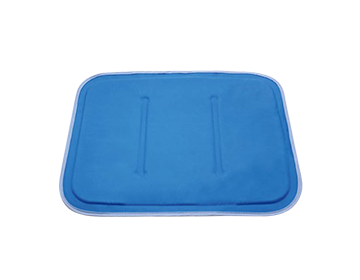
Reusable Gel Packs
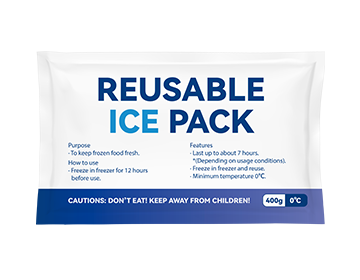
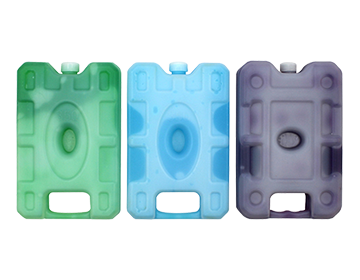
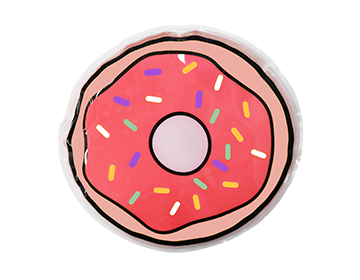
These packs can be cooled in the freezer and reused multiple times, making them cost-effective for home recovery routines. Their flexible design conforms well to finger joints.
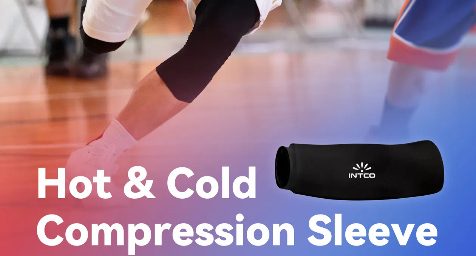
Gel Bead Wraps and Finger Sleeves
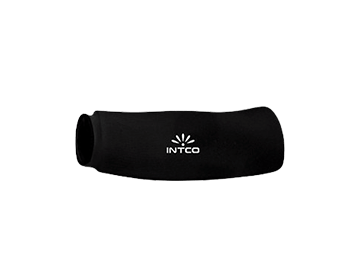
For localized application, gel bead sleeves or finger wraps offer targeted compression and uniform cooling. They are especially suitable for post-surgery care.
|
Product Type |
Reusable |
Ideal For |
Cooling Duration |
|
Instant Cold Pack |
No |
Emergency use, field care |
15–25 min |
|
Reusable Gel Pack |
Yes |
Home therapy, rehab |
20–40 min |
|
Gel Bead Sleeve |
Yes |
Targeted finger recovery |
15–30 min |
Precautions for Safe Cold Therapy
· Avoid direct contact of ice with skin to prevent frostbite.
· Do not apply over open wounds or stitches unless approved by a physician.
· Patients with poor circulation, diabetes, or nerve damage should consult a healthcare provider before use.
· Alternate with heat therapy only after the acute swelling subsides.
According to the American Physical Therapy Association (APTA) and related clinical resources, cryotherapy should be applied with careful consideration of duration, frequency, and tissue sensitivity. Excessive or prolonged exposure to cold can sometimes increase stiffness or slow recovery, so professional supervision is recommended to ensure safe and effective use.
Combining Cold Therapy with Physical Rehabilitation
After the acute phase, integrating cold therapy with range-of-motion (ROM) exercises and hand physiotherapy enhances recovery outcomes. Alternating between cold (to reduce inflammation) and gentle heat (to promote flexibility) has been shown to improve joint mobility and comfort in patients recovering from tendon repair or ligament injuries.
Introducing INTCO Medical’s SOLID GEL FINGER
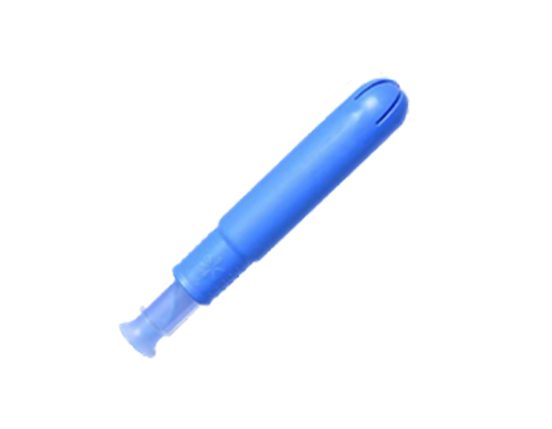
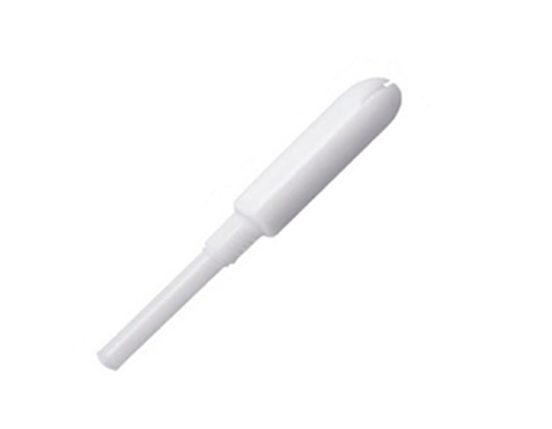
As part of its innovative recovery product line, INTCO Medical has developed the SOLID GEL FINGER, a specialized therapy solution designed for both cold and hot applications.
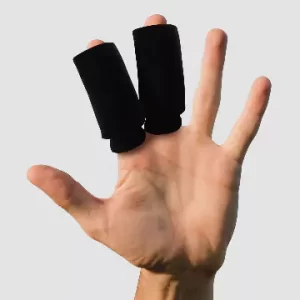
This product is tailored for users recovering from finger sprains, tendon injuries, and minor hand surgeries, combining advanced gel technology with ergonomic design for maximum comfort and relief.
Effective Pain Relief
The solid gel composition provides consistent temperature control, delivering soothing cold or gentle heat directly to injured tissues, helping reduce pain and swelling efficiently.
Comfortable & Slip-On Design
Made with soft, skin-friendly materials, the sleeve design makes it easy to wear and remove, ensuring full comfort without limiting mobility.
360° Coverage Therapy
Unlike flat cold packs, SOLID GEL FINGER ensures uniform coverage around the entire finger, offering complete and balanced cooling or warming therapy.
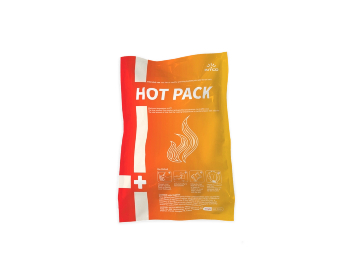
Hot / Cold Dual Function
The product can be either frozen for cryotherapy or microwaved for heat therapy, allowing users to alternate treatments depending on their recovery phase.
|
Feature |
Benefit |
|
360° Gel Coverage |
Even temperature distribution |
|
Dual Hot/Cold Use |
Adaptable to different recovery needs |
|
Slip-On Fit |
Convenient for daily use |
|
Soft Exterior |
Gentle on sensitive post-surgery skin |
The SOLID GEL FINGER represents INTCO Medical’s commitment to ergonomic, patient-centered recovery solutions—ideal for both home care and professional rehabilitation environments.
Conclusion: INTCO Medical’s Contribution to Safer Recovery
Cold therapy remains one of the most accessible and effective recovery methods for finger sprains and post-surgical healing. By properly applying cold compresses, patients can reduce pain, prevent stiffness, and accelerate tissue repair.
INTCO Medical, a global manufacturer specializing in cold and hot therapy products, provides a range of high-quality gel packs, instant cold packs, and reusable compresses designed for clinical, home, and sports use. With strong OEM/ODM capabilities, INTCO supports healthcare providers and brands worldwide in offering reliable recovery solutions for patients.
INTCO Medical Supports Zhenjiang City Football Super League with Professional Protection
Freezer Blocks vs. Ice Packs: Which Is Better for Food and Medical Use?